Where glass balustrades are used
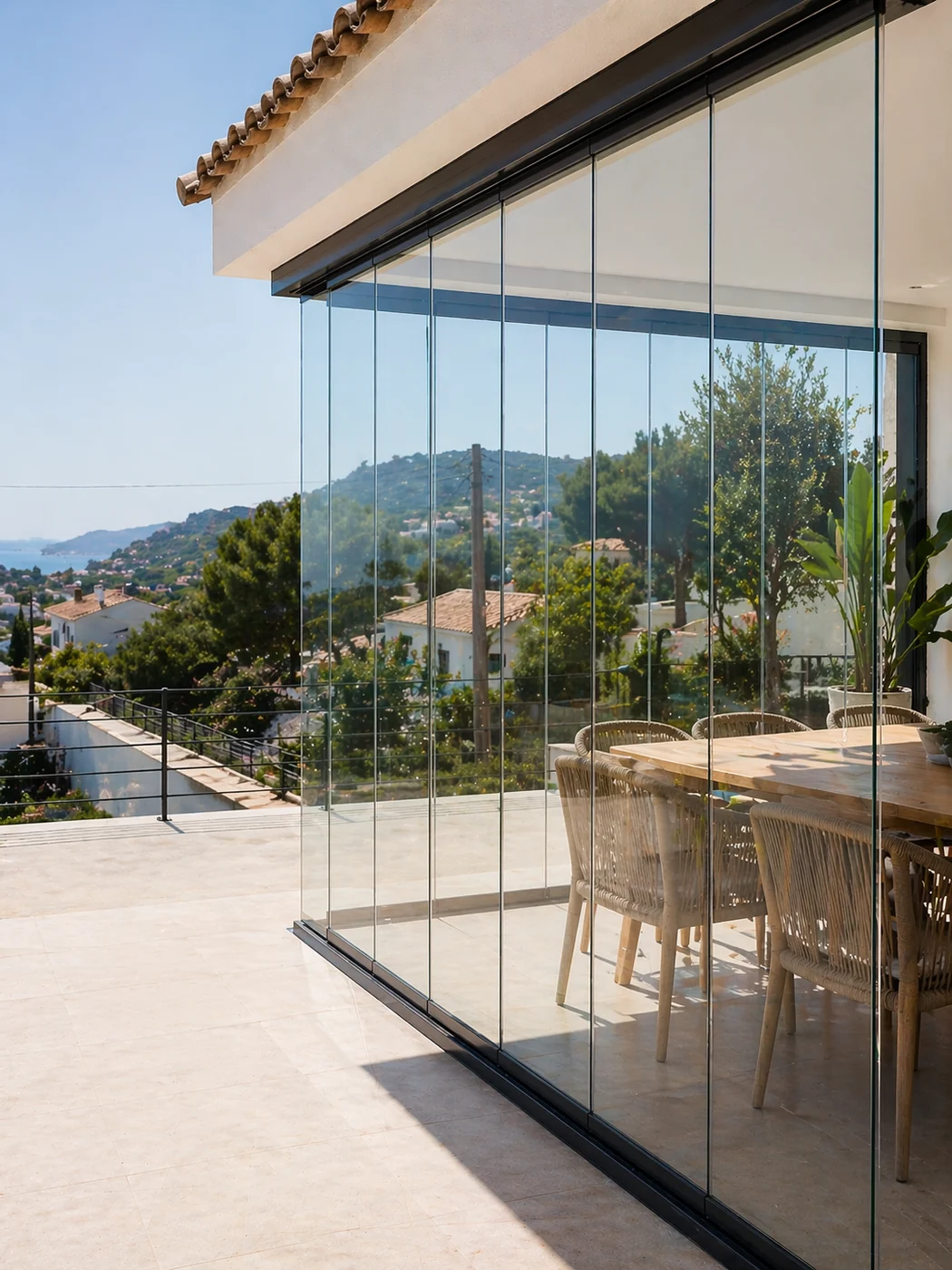
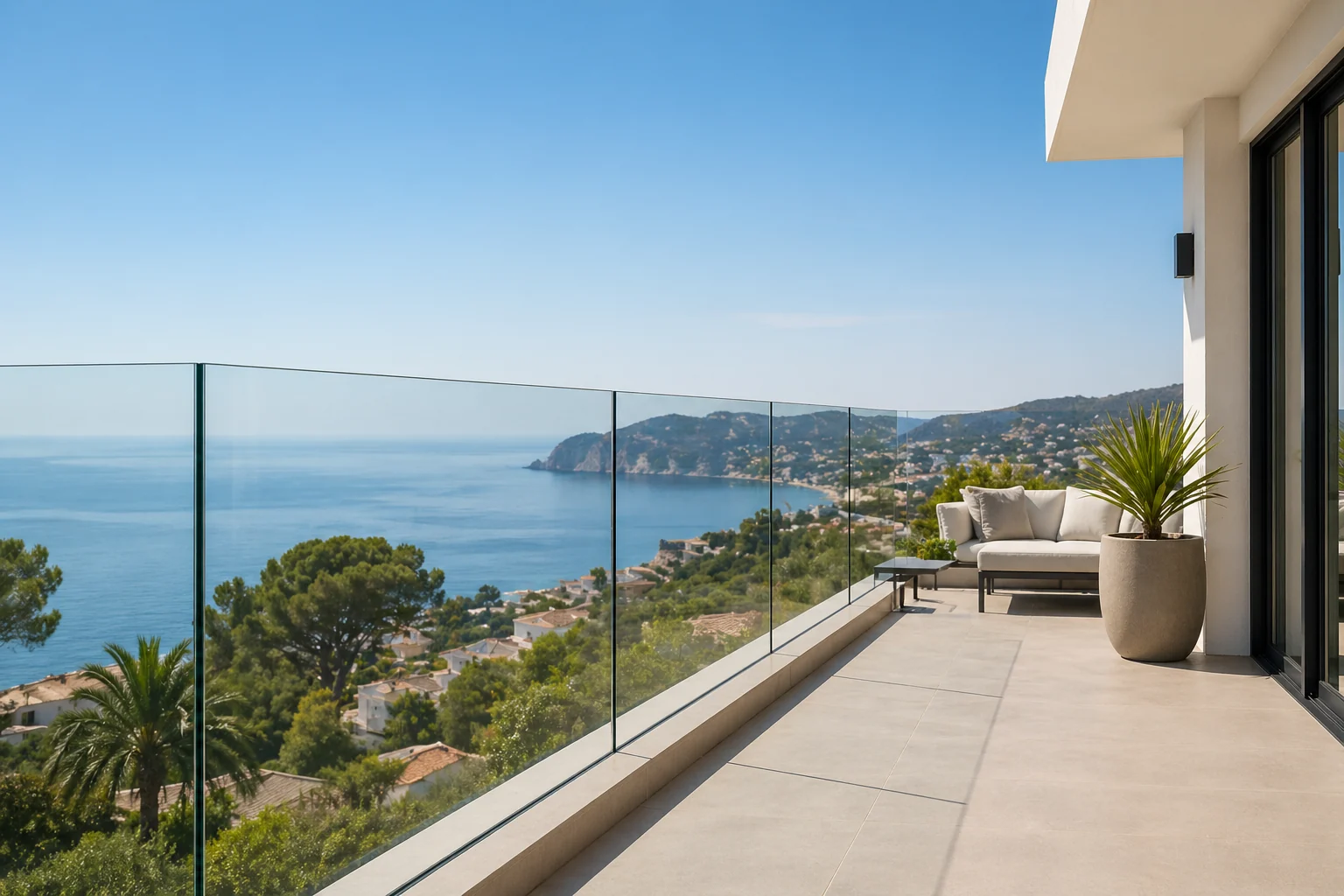
Glass can preserve an open view where a solid wall or closely spaced rails would interrupt it. The proposed barrier still has to suit the position and the structure receiving the fixings.
Glass balustrades are used around:
- Raised terraces
- Balconies
- Pool surrounds
- External steps and changes in level
The drop beyond the barrier and the way people use the adjoining area affect the required specification.
The complete barrier matters
The glass is one part of the balustrade. Its height, glass specification, fixings and supporting structure work together to form the barrier.
The fixing substrate and the condition of its edge must be inspected before a fixing detail is proposed. A balustrade cannot be specified from the width of the opening alone.
Inspection and technical responsibility
If technical justification is required, the regulated height, glass and supporting structure must be established by the appropriate technician or project architect. The installer does not replace that safety determination.
Building or community approval remains a separate matter where required.
Faults in an existing balustrade
Movement, a loose fitting or damaged glass must be treated as a safety fault rather than a cosmetic issue. A photograph can show where the visible damage is but it cannot confirm that the rest of the barrier is secure.
No one should assume that tightening one fitting, changing a component or retaining the existing glass is appropriate until the balustrade and its supporting structure have been examined. Danny handles these enquiries through the repairs service.
Do not touch, lean on or operate a damaged balustrade to obtain a photograph.
For a new installation, send a wide photograph showing the full edge, the area beyond it and the structure where the balustrade would be fixed. For an existing fault, add a close photograph only where it is safe to take one.